Renovations & Additions
The Elite Way
Make the House You Have
the Home You Want
Whether you’re updating a dated kitchen, adding space for a growing family, or finishing a basement, Elite Custom Builders transforms your vision into a space you’ll love. Our team delivers thoughtful design, lasting craftsmanship, and a personal touch on every project.
SMART RENOVATIONS. LASTING VALUE.
Your home should grow and change with you. If you’ve outgrown your current space — or if it simply no longer reflects your style — renovations and additions can give your home new life without the stress of moving.
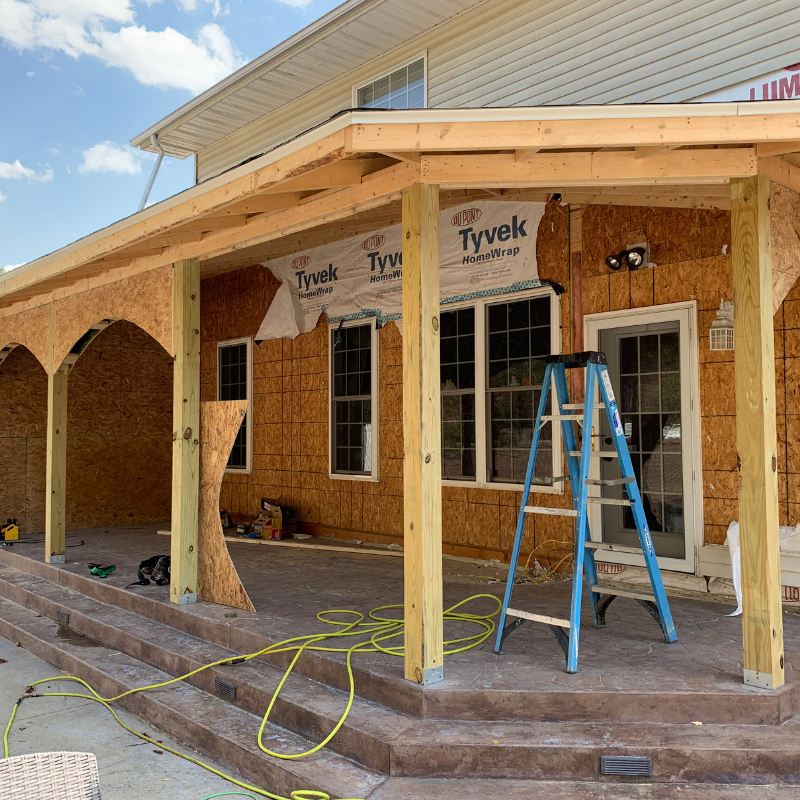
From a whole-house renovation to additions and ADUs, Elite Custom Builders helps homeowners across North Central West Virginia create spaces that feel more functional, comfortable, and inviting. We’ll listen to your goals, assess your home’s needs, and design a plan that fits both your vision and your budget.
OUR RENOVATION & ADDITION SERVICES
-
Whole-house renovations
-
Room additions
-
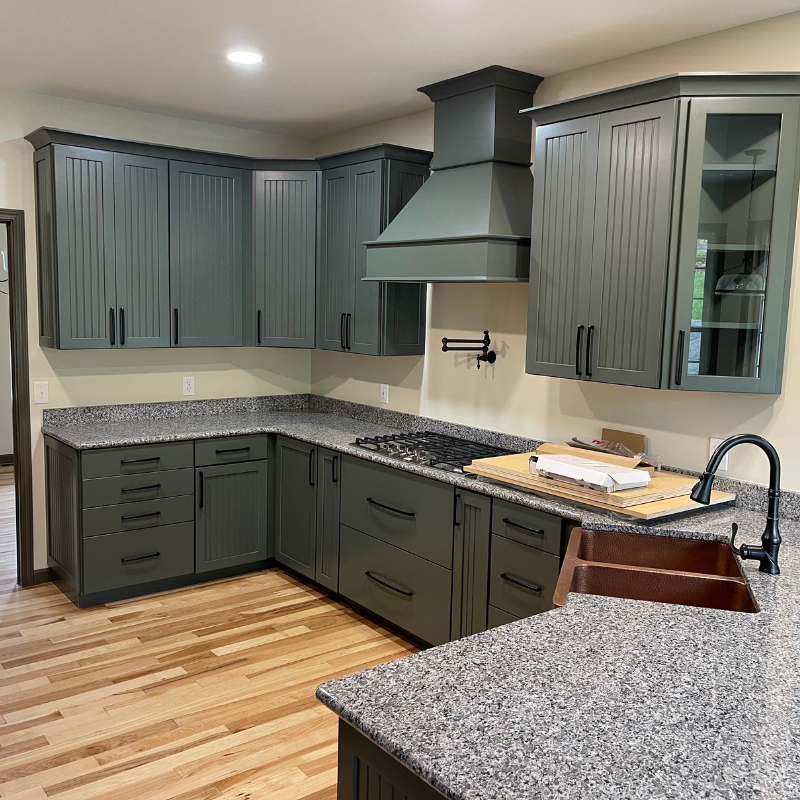
Kitchen remodels
-
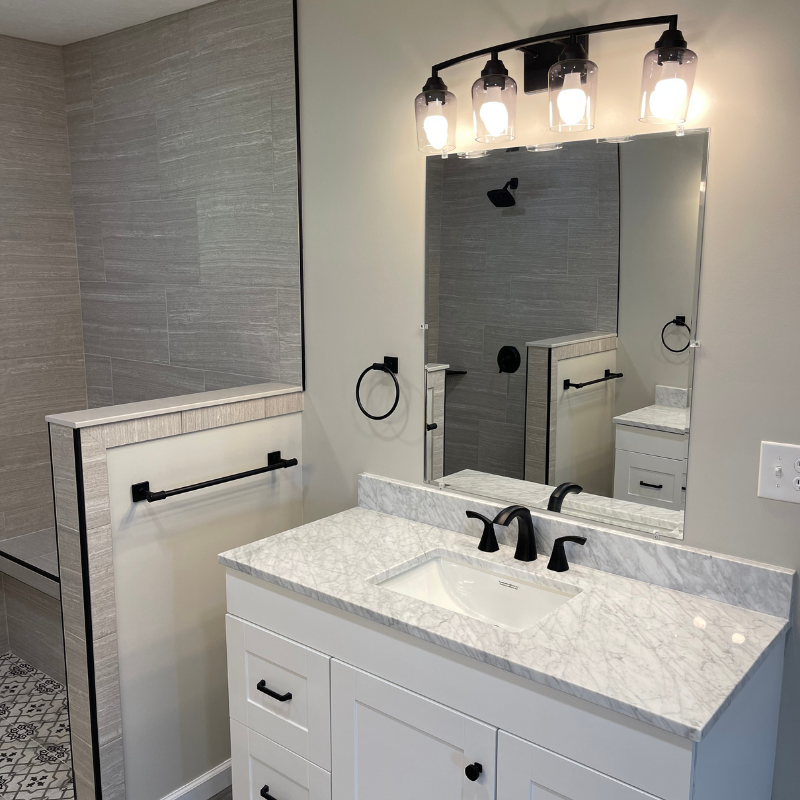
Bathroom remodels
-
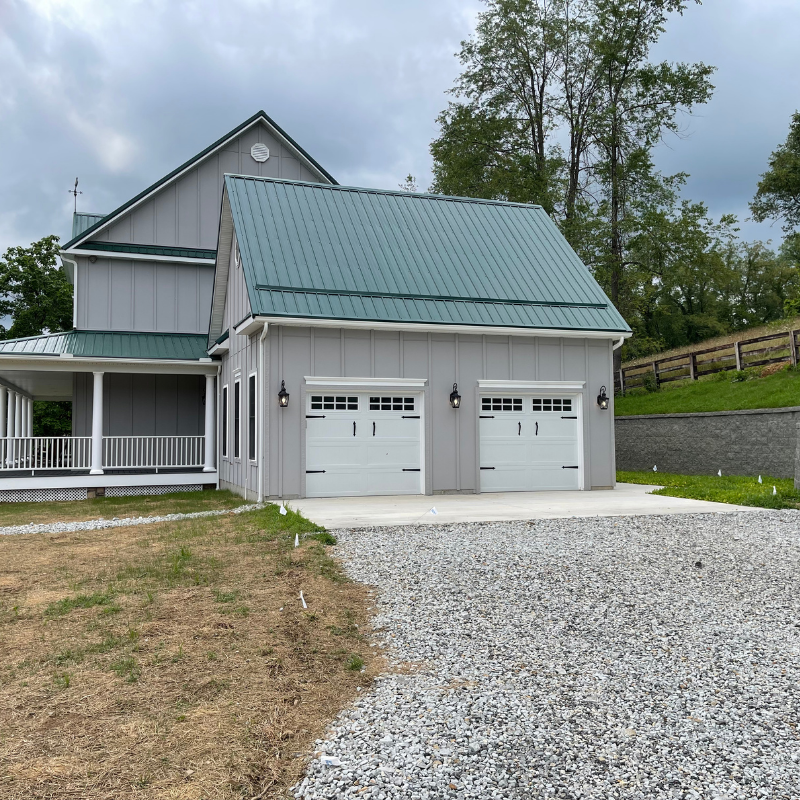
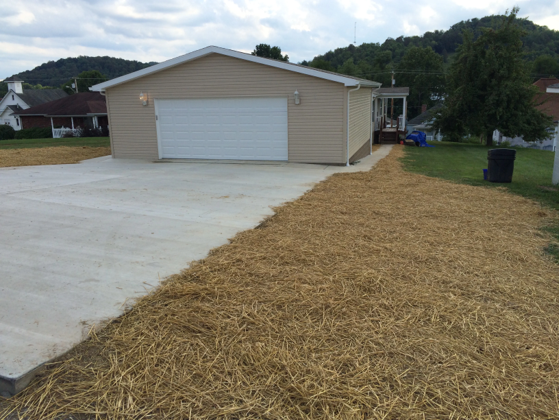
Garage additions
Whether your project is large or small, we bring the same level of care, communication, and quality to every job.
Why Choose Elite Custom Builders for Your Remodel
Renovating your home can feel overwhelming, but the right partner makes all the difference. Here’s what sets us apart:
Guidance Through Every Step
From budgeting to finishing details, we help you weigh options, avoid pitfalls, and make decisions with confidence.
Respect for your home and family
We know construction is disruptive, so we work cleanly, communicate clearly, and minimize interruptions to your daily life.
Craftsmanship that lasts
Renovations should improve not only your home’s function but also its value. Our work is built with care and attention to detail that pays off for years to come.
local experience you can trust
With deep roots in North Central West Virginia, we understand local codes, inspectors, and suppliers — ensuring a smoother, more efficient process.
When you choose Elite Custom Builders, you’re not just upgrading your house — you’re creating a home you’ll love to live in.
The Elite Guide to Additions & Remodeling
Renovations can feel overwhelming, but with the right planning, they become exciting opportunities to reimagine your home. Our Elite Guide to Additions & Remodeling walks you through key considerations so you’ll know exactly where to start.
1. SET A BUDGET
Setting a budget will help you understand what you can afford while giving you the ability to have the comforts that you’ve always wanted. Here’s a good way to set a budget:
Make a list. List the additions or remodels that you want. List those in order of “want the most” to “want the least.”
Ballpark the cost. Consider the areas that are major upgrades versus smaller projects. It’s important to understand what will cost you $200 vs $550. Most interior renovations cost between $130-190 per square foot, but it really depends on what your wish list includes. You may need some help with ballparking a cost, and we’d be happy to assist you in quoting your project.
Establish a spending limit. Knowing whether you’re paying in cash or taking out a loan is the first major step. Consider the pros and cons of a cash-out refinance, a home equity loan, and a home equity line of credit (HELOC). Not sure what each of those entail? Here’s a quick description of each:
- Cash-out refinance: Interest rates are almost always lower with cash-out refinancing loans. You pay close out costs on mortgages, there are no closing costs on a cash-out refinance. This is a replacement on your first mortgage.
- Home Equity Loan: A home equity loan is separate from your mortgage. It allows the user to borrow against the ownership of the home. The user only borrows a fixed amount.
- Home Equity Line of Credit (HELOC): A HELOC is a revolving line of credit. A user can borrow as much as he/she might need and only will make payments on what is borrowed.
Know your limits. If your budget and your remodeling or additions wish list do not align, enlist the help of your contractor. He/she will provide you with low cost alternatives, scaling the project to a smaller size, or even keeping older items that are in great condition.
2. ENERGY EFFICIENCY
Make small changes. This can be as simple as adding or updating the insulation to caulking the windows and sealing the ductwork. If you seal up some of the air leaks, you’ll watch your heating and cooling bills drop significantly.
Get an energy audit. To make sure you’re effectively reducing your home’s carbon footprint, contact your local Home Builders Association and request an audit to be done for your home.
Switch your appliances. Switching old appliances to appliances like on demand water heaters and using solar technology will go a long way in making your home energy efficient.
Do your research. Start with your utility company and ask about incentive programs for switching to more energy efficient products.
AEP Appalachian Power — Commercial & Industrial Standard Program This program involves replacing existing equipment to high energy efficiency models. Common standard projects include lighting and HVAC upgrades. Custom projects involve installing energy efficient systems in buildings under renovation, additions and new construction.
Upcycle — Have old lumber? Repurpose it into landscaping woodchips and donate bricks or stone. If you upcycle your old materials, you have more within your budget to do the remodels or additions that you want.
85 percent of a house is reusable. Contact your contractor and ask him/her how you should repurpose essential materials, and then ask your local Habitat for Humanity to remove any other materials that could be resold. Many of the organizations accepting the donations are nonprofits, which means you get a tax benefit to boot!
3. CHOOSING THE FLOORING
If you’re set on using carpet, pay attention to the padding, adhesives and weigh the costs of each type of carpet.
Waffle Rubber: Waffle rubber is ½ inch thick (measure includes air). This type of carpet tends to break down over the years.
Urethane Foam: Urethane foam is available in different densities and thickness. The lowest measurement you can go is ½ pound per square inch.
Bonded Urethane: Bonded urethane is also called “rebond.” This is the most popular type of padding. It is made from reclaimed scraps of high density urethane then bonded to form carpet cushion. The risk with this carpet is the chemical compound, butylated hydroxyl toluene, is added to decrease the risk of fire during production, however this chemical produces a yellowing color to the carpet over time.
Flat Rubber: Flat rubber is extremely pricey, but environmentally friendly. It increases your air quality due to not using petroleum in manufacturing, and it increases longevity of the carpet. Fiber Cushion:
Fiber cushion: padding is also environmentally friendly. It’s manufactured from synthetic and natural fibers like acrylic, wool, nylon, polyester, and jute.
4. MAXIMIZING SPACE
Are there rooms you don’t use because of spacial issues or is there a wall that could be taken out? If you’re thinking about adding additions to your home, you should look at your space and then think about opening up existing rooms or opening up doorways. Is it possible to maximize the space you already have by renovating two rooms instead of adding another room?
Consider Finishing the Basement. If you’re already insulating the house, you should definitely include the basement and foundation in your renovation plans.
To maximize your space, consider finishing the basement. Basements are poorly insulated and have the most air leaks than any other room which can cause much of the home’s heat to sink into the floor. Basements also collect contaminants like mold, dust and radon. Insulating and finishing your basement adds value to your home because the square footage is already built in and cuts utility costs because less heat is being pulled into the floor.
Before You Remodel a Basement
- Test for moisture: Tape two foot squares of plastic to the floor and walls. Wait two weeks. If there is condensation underneath the plastic sheet, your basement is not sealed. If there is condensation on top, your basement needs dehumidifying.
- Probe for rot and insect damage: Use an awl to inspect floor joints, rim and header joists, the sill plate, and wood-framed windows.
- Check floor joints: Climb on a ladder until you’re eye to eye with the joints, and make sure none are out of line.
- Check air quality: Ask an expert to check your fuel burning system and to make sure your house does not have carbon dioxide buildup
See the Elite Difference
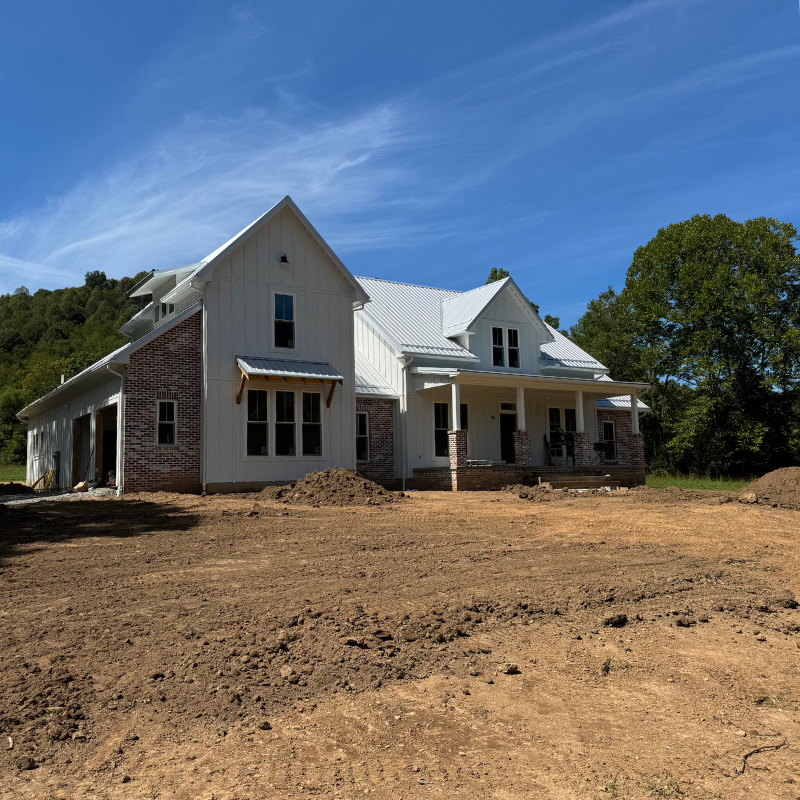
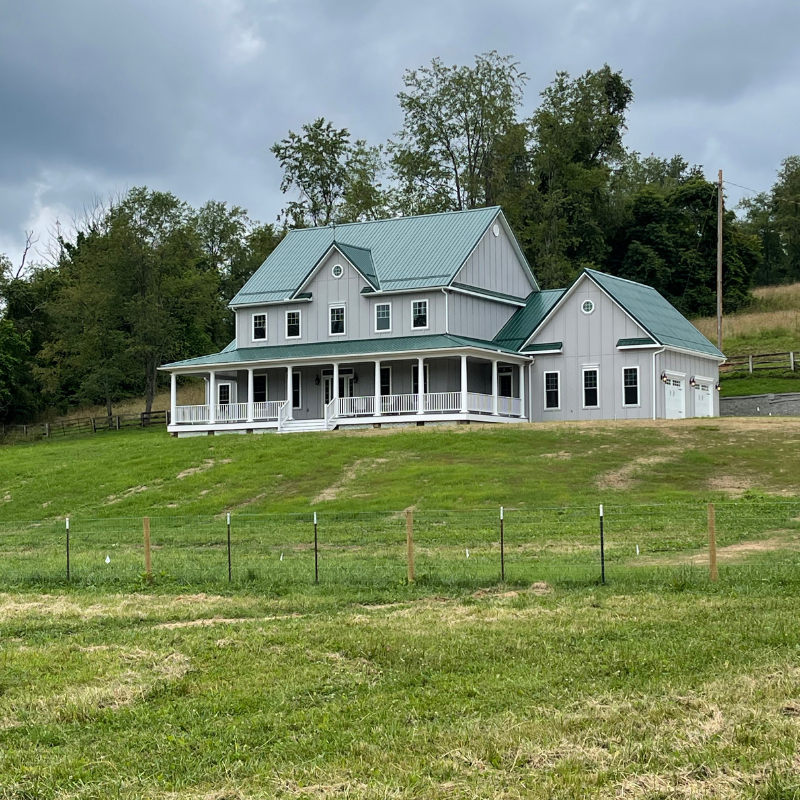
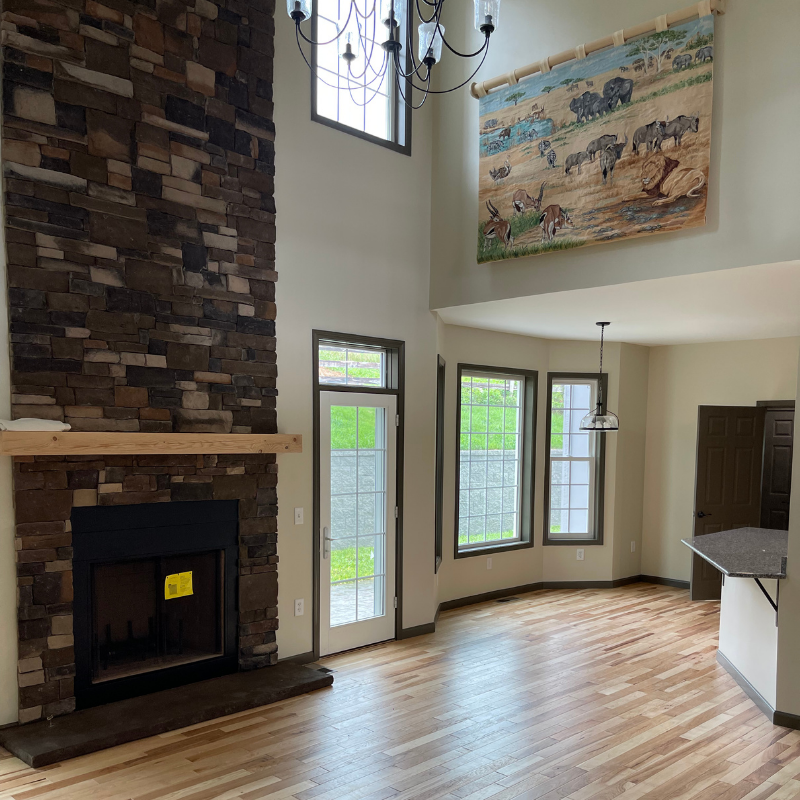
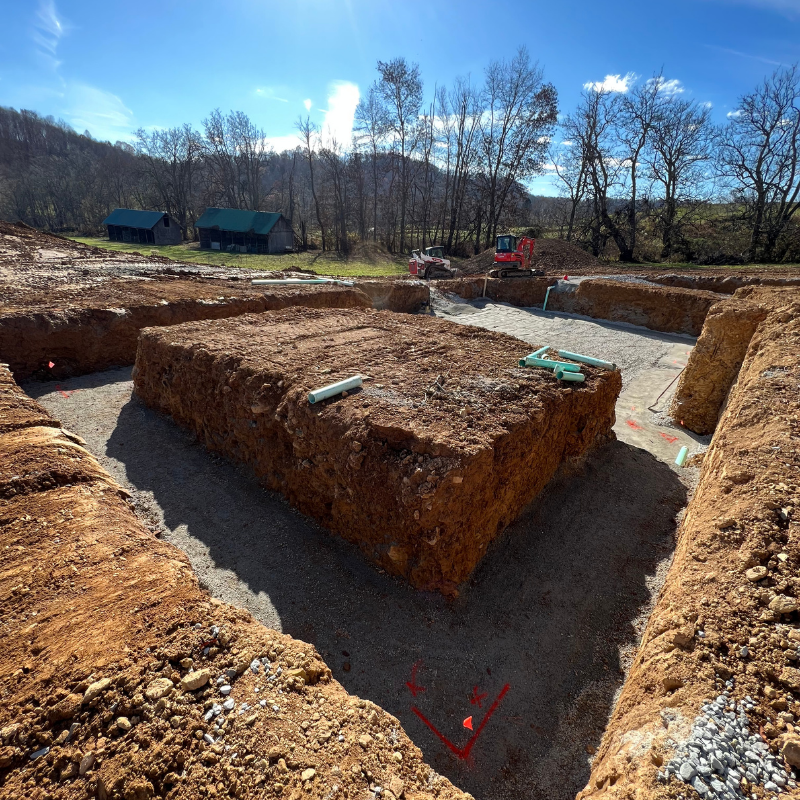
From custom homes to renovations and commercial spaces, here are a few examples of the quality we bring to every build.