Commercial Construction
The Elite Way
Your Commercial Construction Partner
From ground-up facilities to large-scale renovations, Elite Custom Builders brings decades of experience to every commercial construction project. We handle the details, keep you informed, and deliver craftsmanship you can count on — so you can stay focused on running your business.
WHAT WE DO
Every business is different — and so is every building. Whether you’re breaking ground on a new facility, remodeling an existing space, or taking on a complex specialty build, Elite Custom Builders provides complete commercial construction services across North Central West Virginia.
Our experience includes:
-
Ground-up commercial facilities
-
Large-scale remodels and renovations
-
Office complexes and professional buildings
-
Restaurant and hospitality spaces
-
Retail centers and developer construction
-
Specialty or custom commercial builds

Why Choose Elite Custom Builders
When you choose a contractor, you’re not just choosing who swings the hammers — you’re choosing who you’ll rely on for months to keep your project on track, on budget, and stress-free. Here’s why businesses across West Virginia continue to put their trust in us:
Reliable Scheduling
We know that time is money. Our team builds realistic schedules, keeps projects moving, and adapts quickly when challenges arise — so you can plan with confidence.
Transparency at every step
We don’t believe in leaving clients in the dark. From weekly updates to open-door job site visits, we’ll keep you informed on progress, costs, and next steps.
Local Knowledge, Big Results
With decades of experience in West Virginia, we know the codes, permitting processes, and subcontractor network inside and out. That expertise saves you time, money, and headaches.
Proven Craftsmanship
Quality isn’t just a tagline — it’s the standard we hold ourselves to on every project. From foundations to finishes, our work is built to last.
When you hire Elite Custom Builders, you’re not just hiring a contractor — you’re gaining a partner who cares about your business as much as you do.
The Elite Guide to Commercial Construction
Starting a commercial construction project can feel overwhelming. That’s why we’ve broken down the process into clear, manageable steps to help you understand what to expect along the way.
1. SETTING THE FOUNDATION
Buying Land/Property for Commercial Use
When searching for land/property for commercial usage, it’s important to first consider how the property will be used for your business:
- Is this building for your business, to build equity or to rent?
- How much space does your business need?
- Should you have room to expand?
- What kind of property are you looking for and what kind of location do you need?
It’s typically recommended to build for your current needs as expansion may take longer than anticipated — meaning your rent or mortgage is higher than need be as your business develops and grows. It’s then important to consider your expenses and budget:
- What is your budget for construction and customization?
- What are your principal, interest, tax and insurance (PITA) expenses?
- What are you willing to pay on a monthly basis for maintenance?
- Will you be the manager/landlord for this property? If not, are you willing to pay somebody?
It can be helpful to list the features that are non-negotiable needs — for example, the building must have a full bathroom. From there, list and prioritize the features that are wants, for example, specific light fixtures and flooring styles. After establishing a concrete vision and budget for your property, consider the physical location and building specifics.
2. FROM THE GROUND UP
Once you’ve selected your land/property, it’s time to consult with a lawyer (if you haven’t already). A lawyer will guide you through the legal process of the sale and ensure the language and terms in all agreements are fair. It’s then time to begin the zoning/rezoning process, secure permits and schedule inspections.
ZONING/REZONING
The basic function of zoning is to allocate land within a municipality into residential, commercial and industrial districts, or zones. Each of the three zones are relatively separate from each other their own specific restrictions and requirements. These requirements may restrict building types, limit the height of buildings, location of utility lines, etc.
CONDITIONAL USE
What if you want to open a business within a residential zone? Say, a small coffee shop in a quiet neighborhood. A conditional use permit allows the the city to consider uses that are not allowed within a zoning district, but may be of benefit or even essential. Through a public hearing process, a conditional use permit may be granted, giving flexibility within a set zone.
BUILDING PERMITS
Building permits provide construction standards established by the state — these standards regulate design, construction, materials, use and the type of occupancy. It is required that a building permit be obtained before a building is erected, expanded, changed, repaired, moved, converted or demolished. Filing the permits as early as possible will help your project stay on track and moving forward.
3. SELECTING A CONTRACTOR
Selecting a contractor early in the commercial building process is crucial — your contractor will be able to share resources with you and assess if your project can be completed in your desired space. When selecting a contractor, ask the following questions:
- How long has your company been in business? How much experience do your employees have?
- Can you show me examples of previous work? Don’t settle for photos — visit previous projects in person to assess the quality of the work. Can you provide references from former clients?
- Are you licensed and insured? What type of warranty do you offer of your work?
- What sets you apart from other builders? Why should I select your company over others?
- What features are standard and what can I customize
- Who will supervise my project?
- Who will be my primary point of contact if I have questions?
- How long will this project take? How can my business remain open during construction?
- Will you work around our schedule?
Consider your first meeting with a potential contractor like an interview — ask questions and follow up if you’re not satisfied with an answer. It is important to feel completely at ease with your contractor and build a trusting relationship.
4. DESIGN AND PLAN
As you begin the design and planning phase, take notes as you visit stores and businesses in town. How do you feel when you enter the building? Was it easy to park? Identifying features you like and dislike can help you customize your business space for the needs of your company. Consider the following:
- Do you want an open floor plan? Is it important that employees have their own spaces? Does the business need secure storage?
- Approximately how many people will be visiting your business each day? How many people do you estimate will be at your business at any given time? It is important to ensure your parking lot can accomodate the maximum number of patron vehicles and that there are enough bathrooms.
- If people will be waiting for an appointment or service, will you have a designated waiting area?
- What accessibility features will you include in the building plans? Will you meet the minimum standards or take extra steps to improve the experience of disabled patrons?
- How will foot traffic flow when people enter and exit the building? Will a single door accomodate traffic or would seperate entrance and exit make more sense? What about air flow in and out of the building? Discuss with your contractor to see if a double door would be more energy efficient.
- Consider the first impression of your building — an attractive entry way, elegant landscape and a professionally designed sign will boost the curb appeal of your business.
- Will you include energy efficient/green features in your project? If such features (such as solar panels) are a major expense now, will they provide a cost saving after a set period of time?
As you finalize plans and the building or renovation process begins, it’s important to set expectations with your contractor: How often will you receive updates regarding the budget and timeline?
- How frequently will you be able to visit the building site? Will your contractor send photos?
- Who will supervise my project? Who will be my primary point of contact if I have questions?
We are able to accomodate your business schedule, working outside of normal working hours to reduce interference and inconvenience to your and your employees. Large-scale construction projects can be high-stress — when you trust your contractor to keep your project on track and in budget, you can focus on what’s important — running your business.
See the Elite Difference
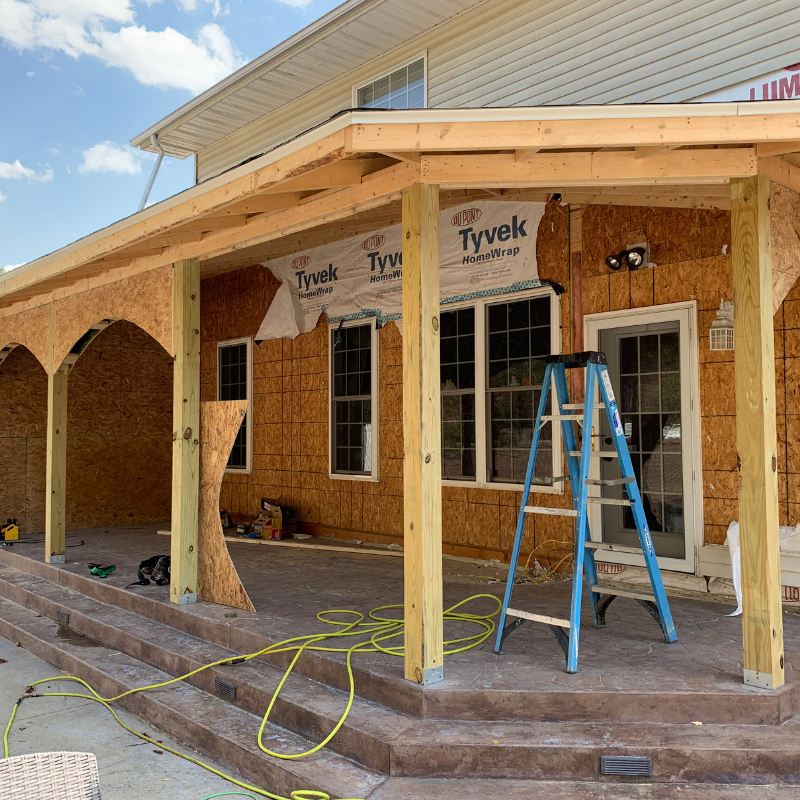
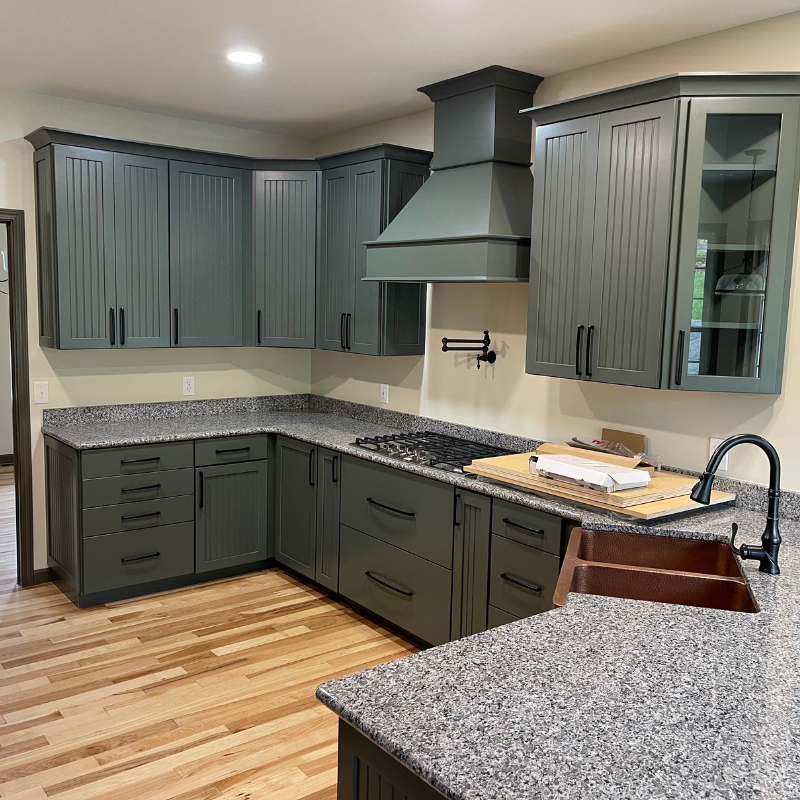
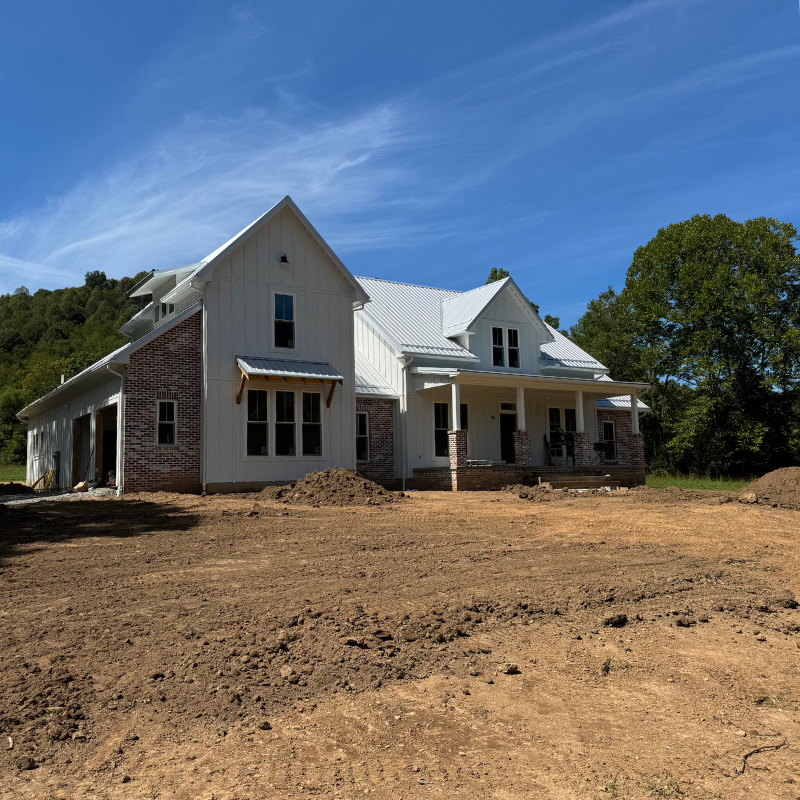
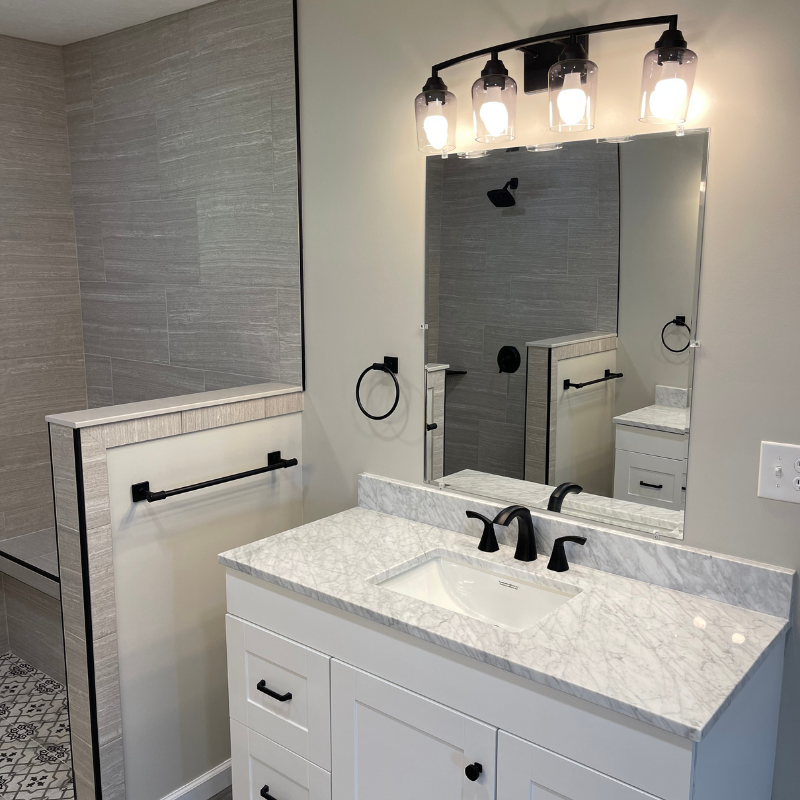
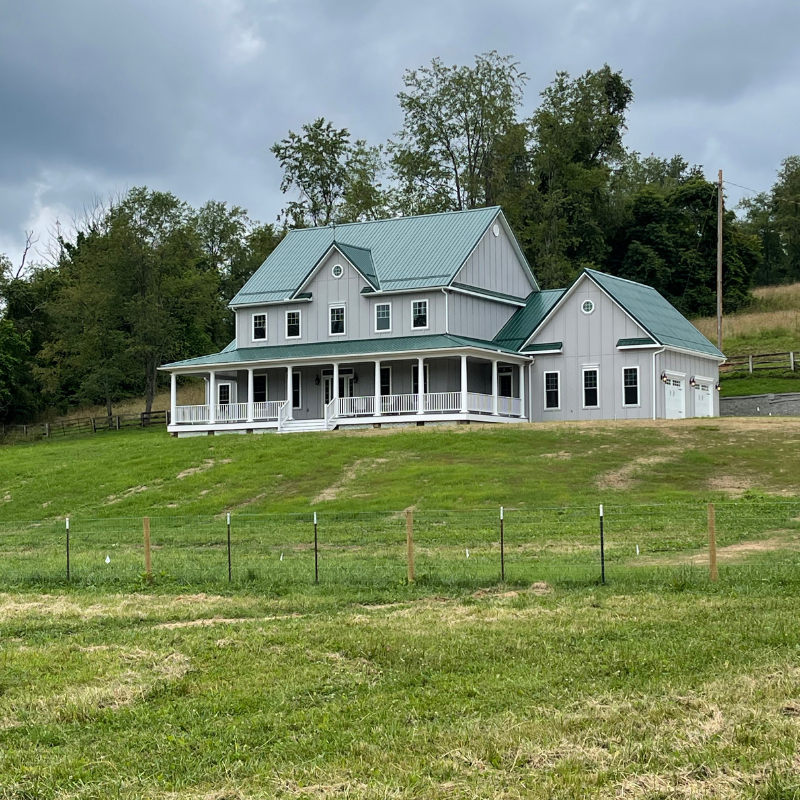
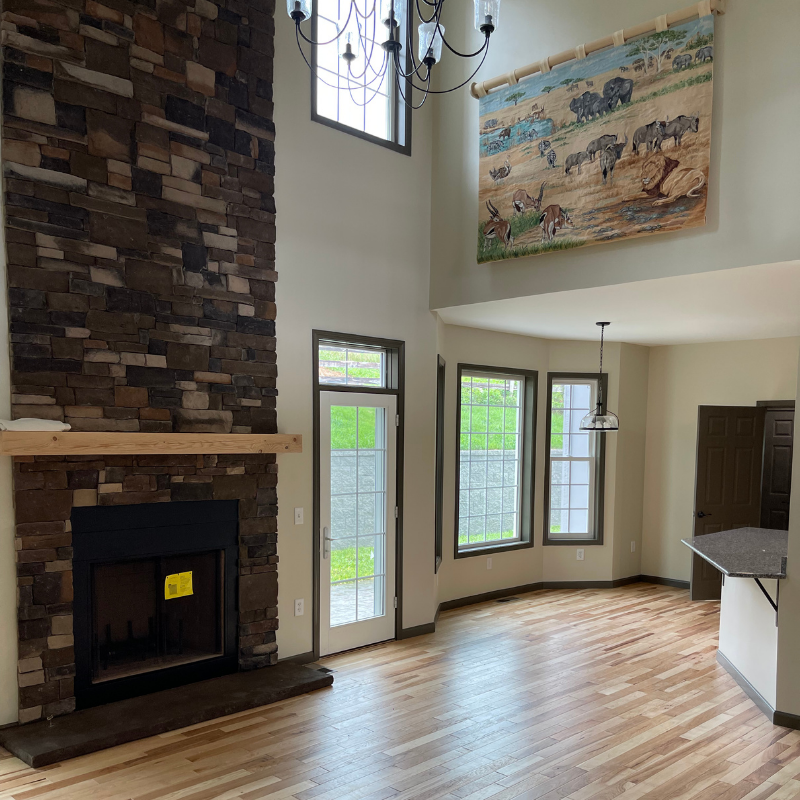
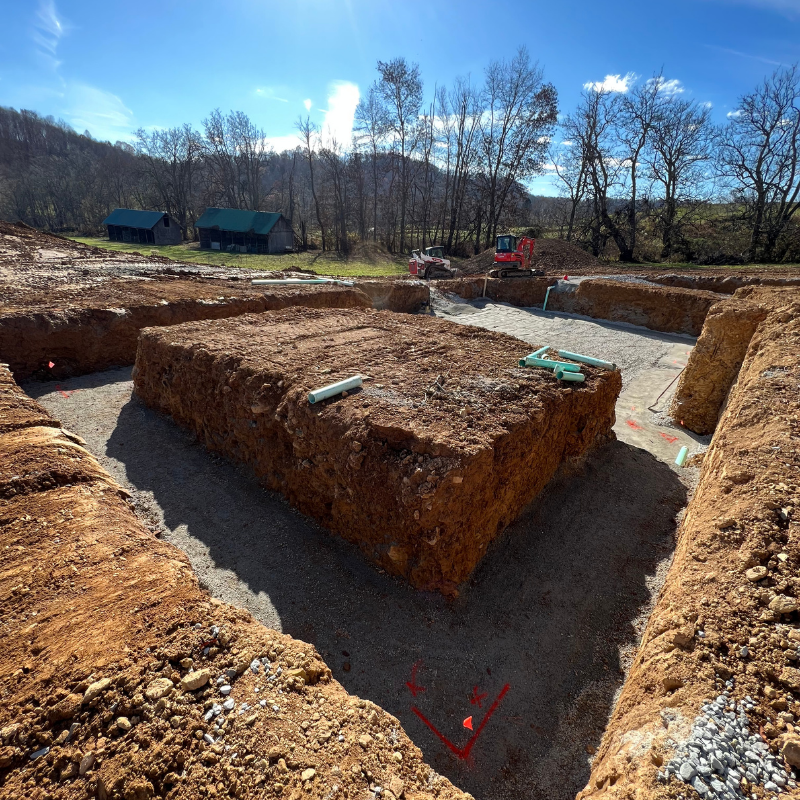
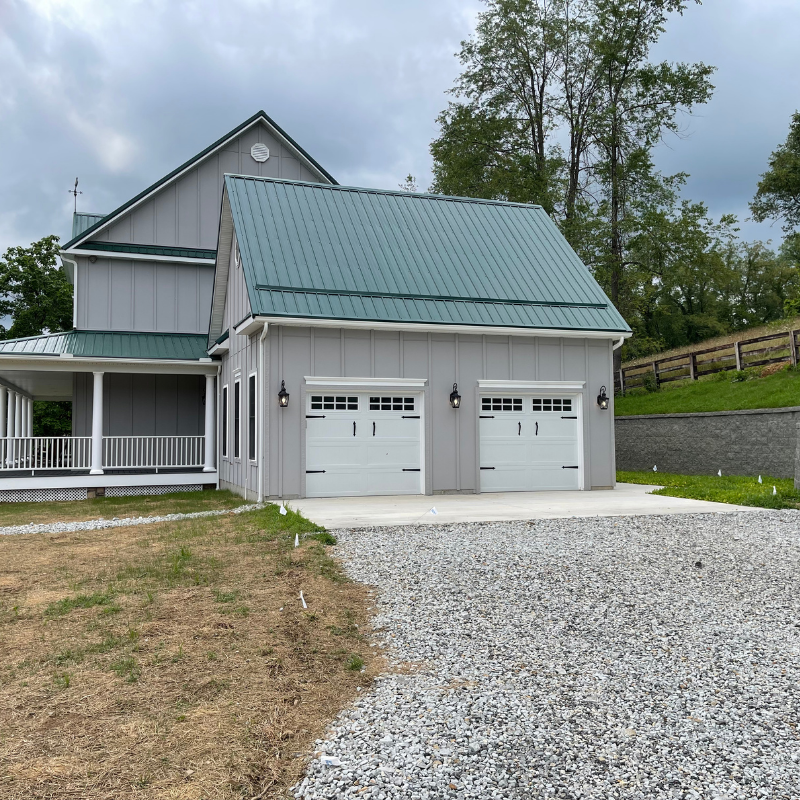
From custom homes to renovations and commercial spaces, here are a few examples of the quality we bring to every build.